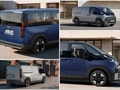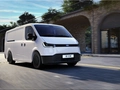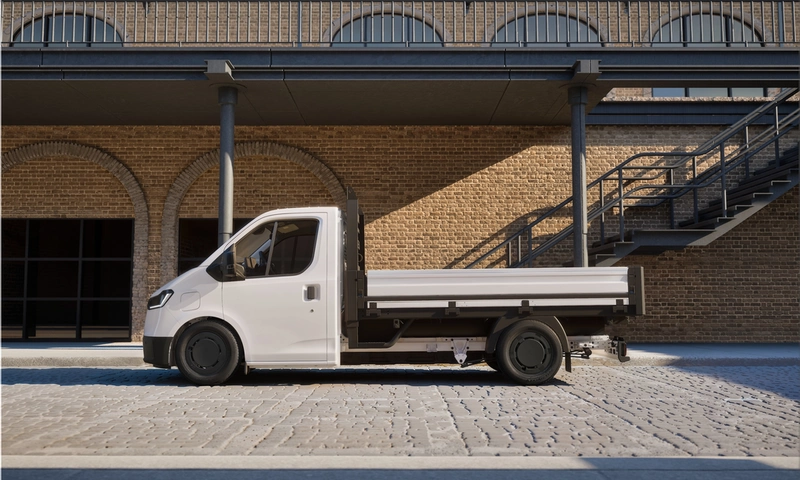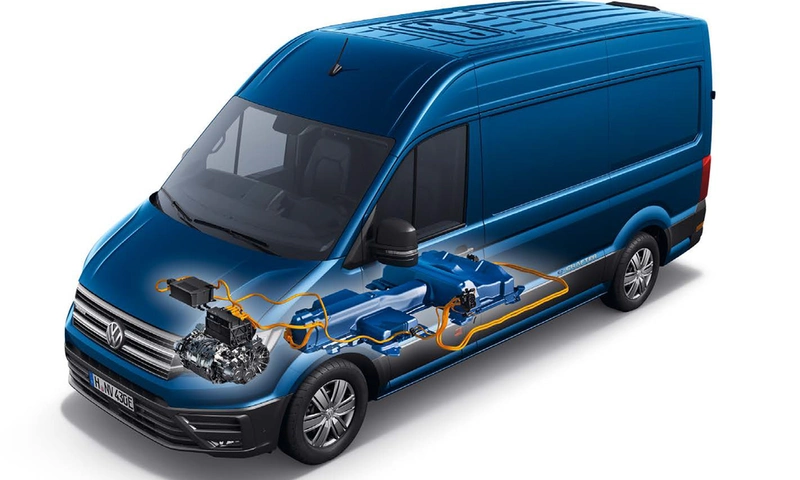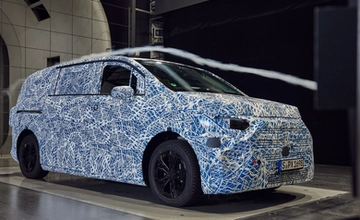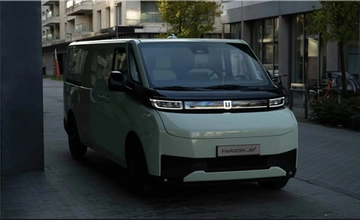
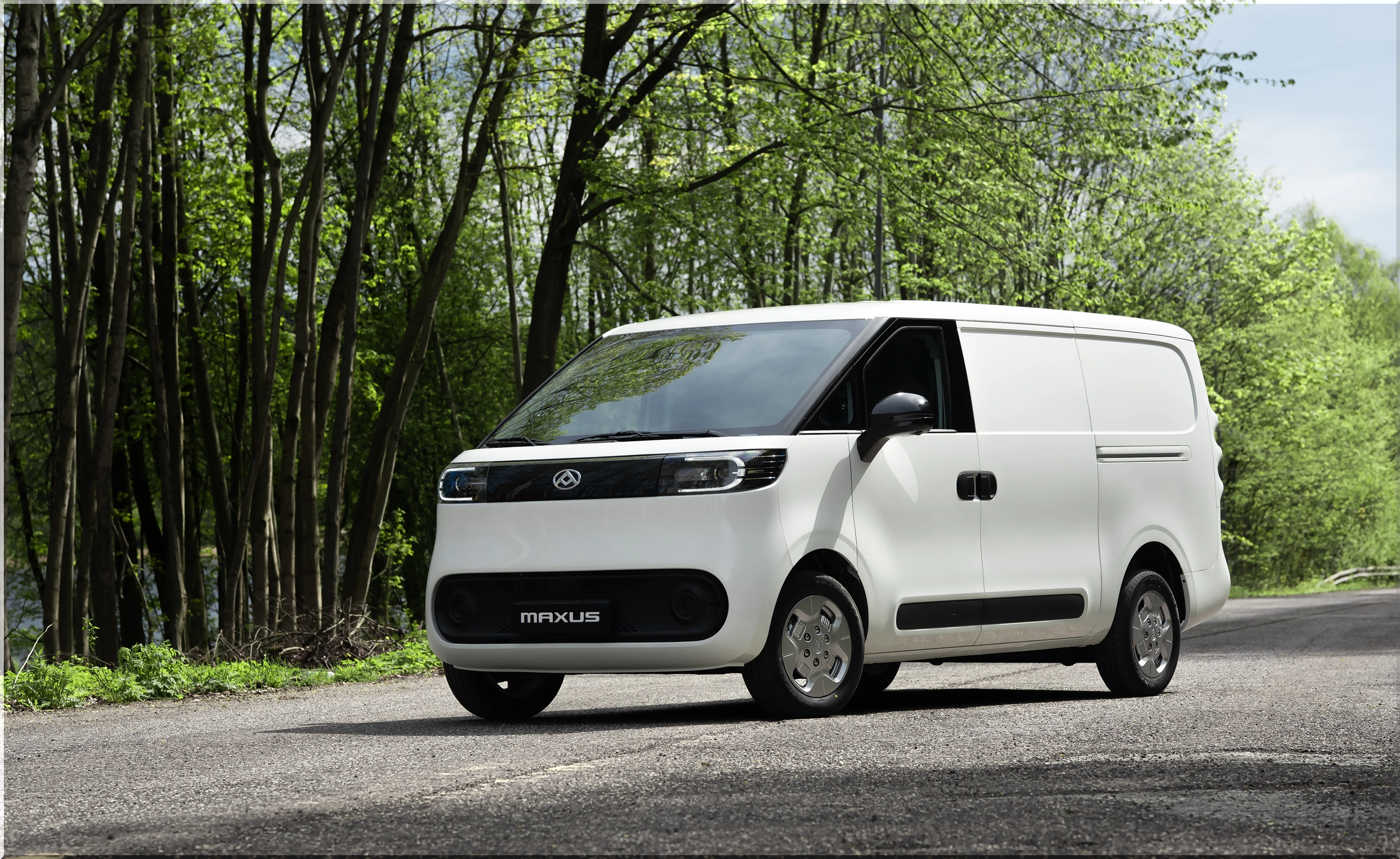
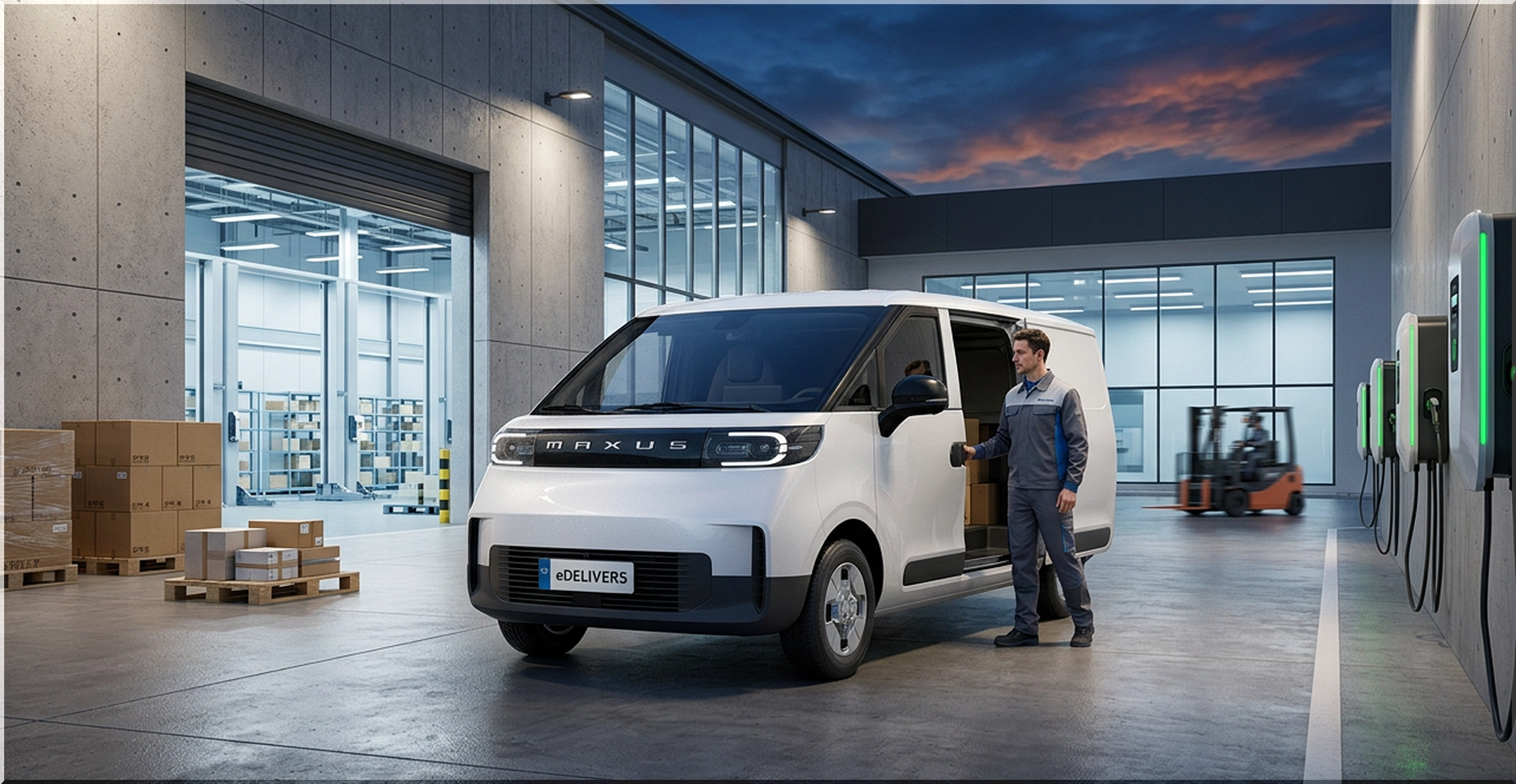
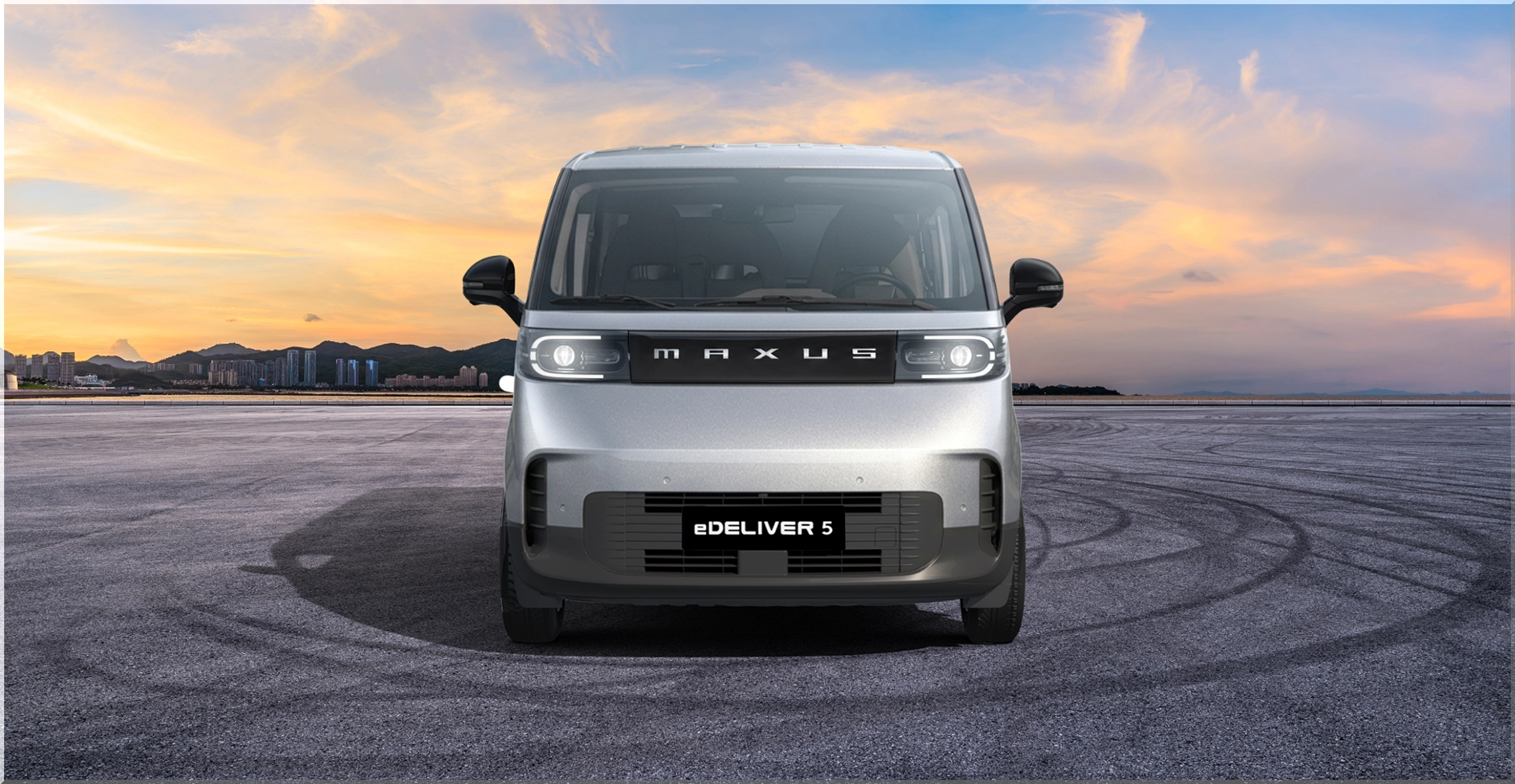
The updated Maxus e-Deliver 5 brings revised styling, more cabin space, and an advertised starting price equivalent to around €22,700 before VAT and delivery charges. The announced delivery schedule starts January 1, 2027. Buyers can choose 50- or 64-kWh batteries, with combined WLTP range reaching 245 or 335 kilometers.
What changes with the new design and price?
Maxus pairs its design update with two battery choices that share the same cargo volume and towing limit. The 64-kWh version starts at approximately €25,400 before VAT and delivery. That roughly €2,700 premium buys 90 kilometers of additional WLTP range, but it also reduces rated payload by 100 kilograms.
| Specification | 50-kWh version | 64-kWh version |
|---|---|---|
| Approximate price, excluding VAT/delivery | €22,700 | €25,400 |
| Combined WLTP range | 245 km / 152 miles | 335 km / 208 miles |
| Maximum payload, excluding driver | 1,300 kg / 2,866 lb | 1,200 kg / 2,646 lb |
| Peak DC charging | 77 kW | 70 kW |
| Quoted DC charge, 20-80% | Approximately 25 minutes | Approximately 36 minutes |
| AC charging | 11 kW, three-phase | 11 kW, three-phase |
| Maximum braked towing | 1,500 kg / 3,307 lb | 1,500 kg / 3,307 lb |
The mileage figures convert European WLTP results; they do not represent EPA ratings. Both specified versions use CCS2 charging.
How much space and power does the electric van offer?
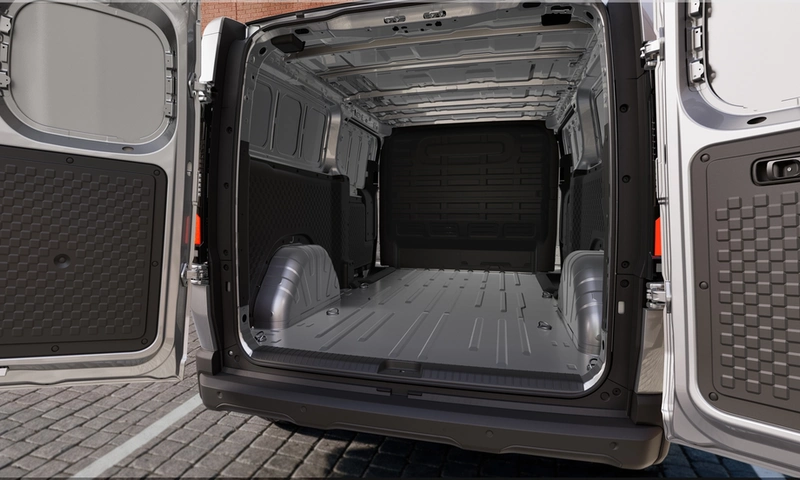
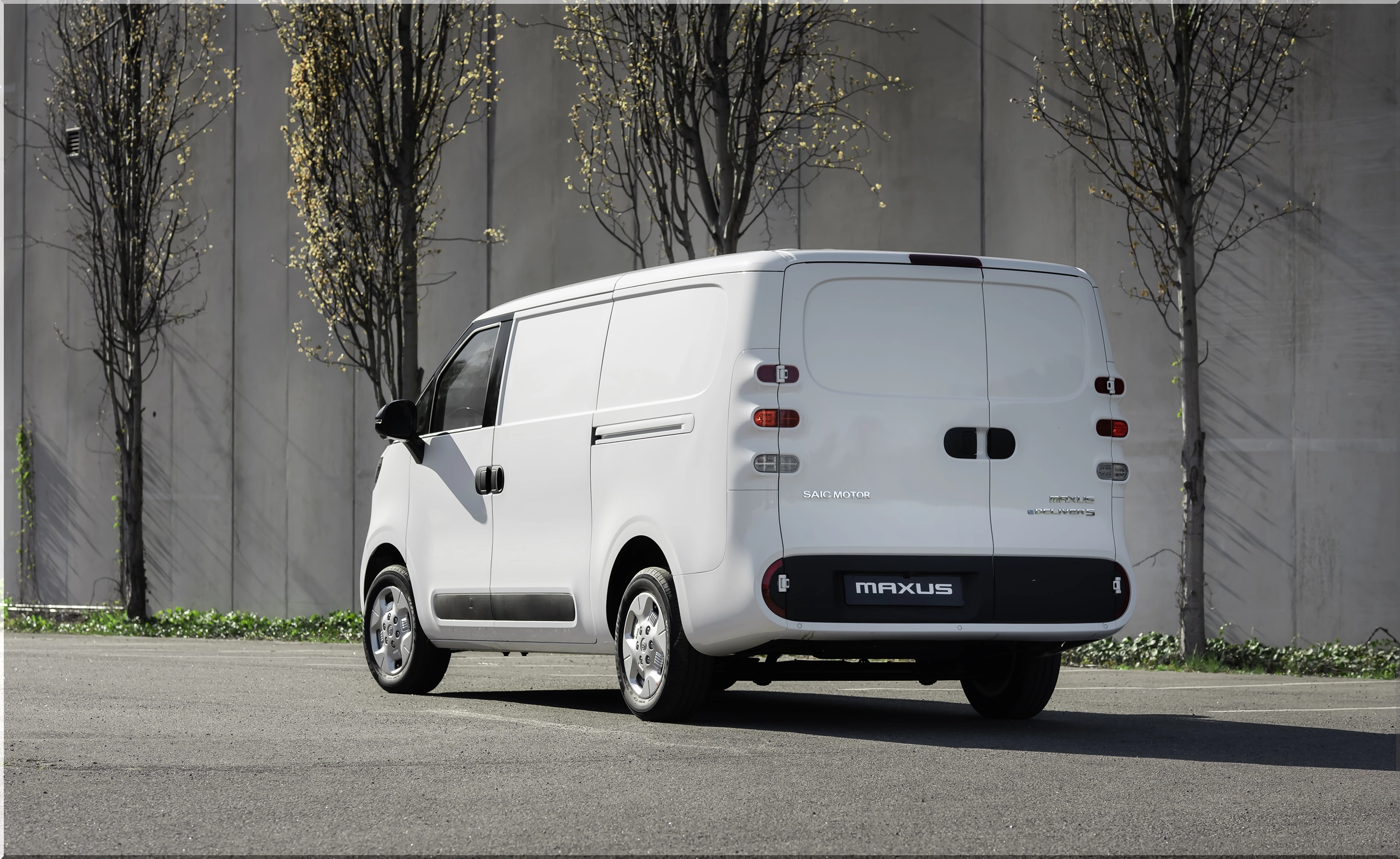
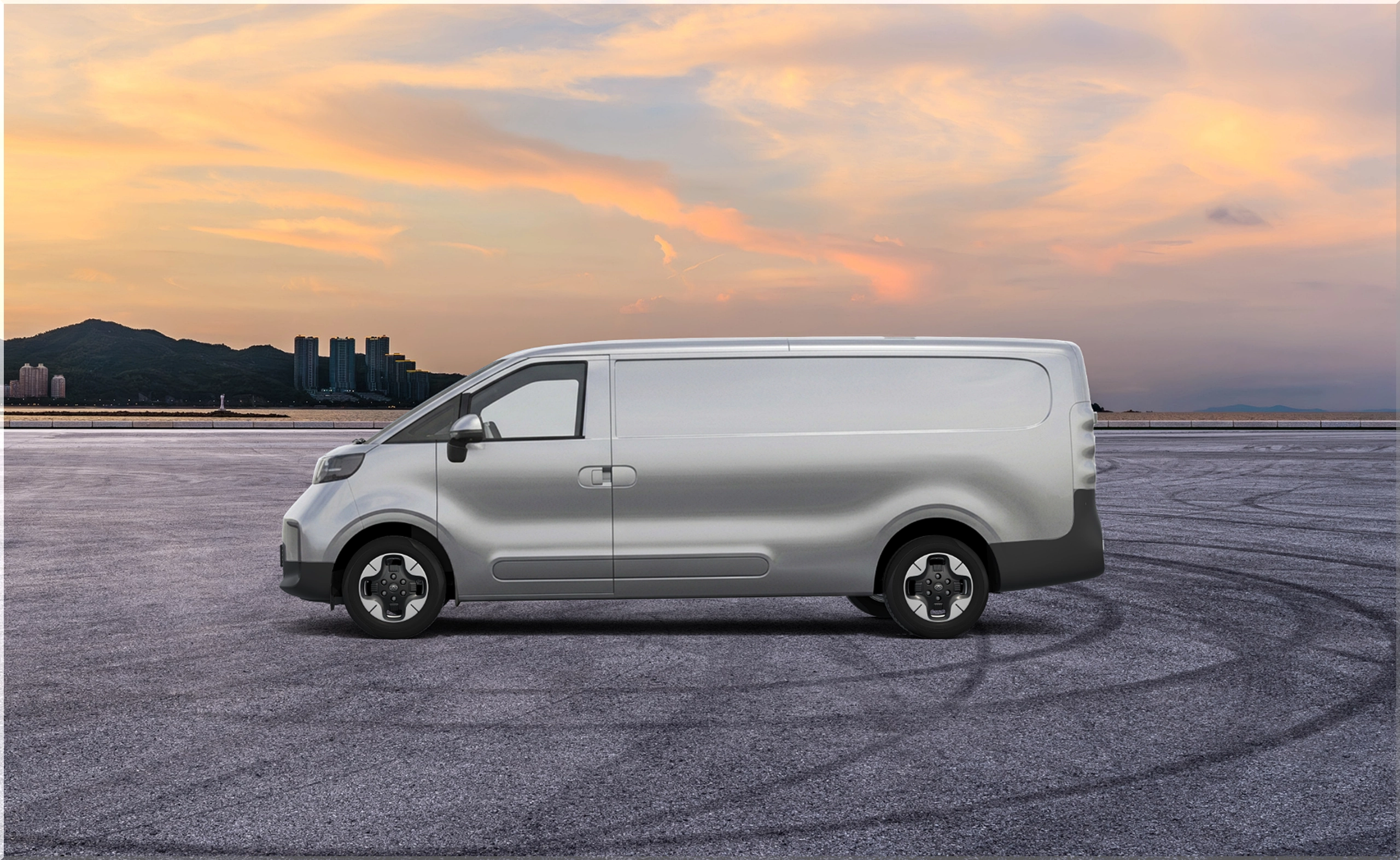
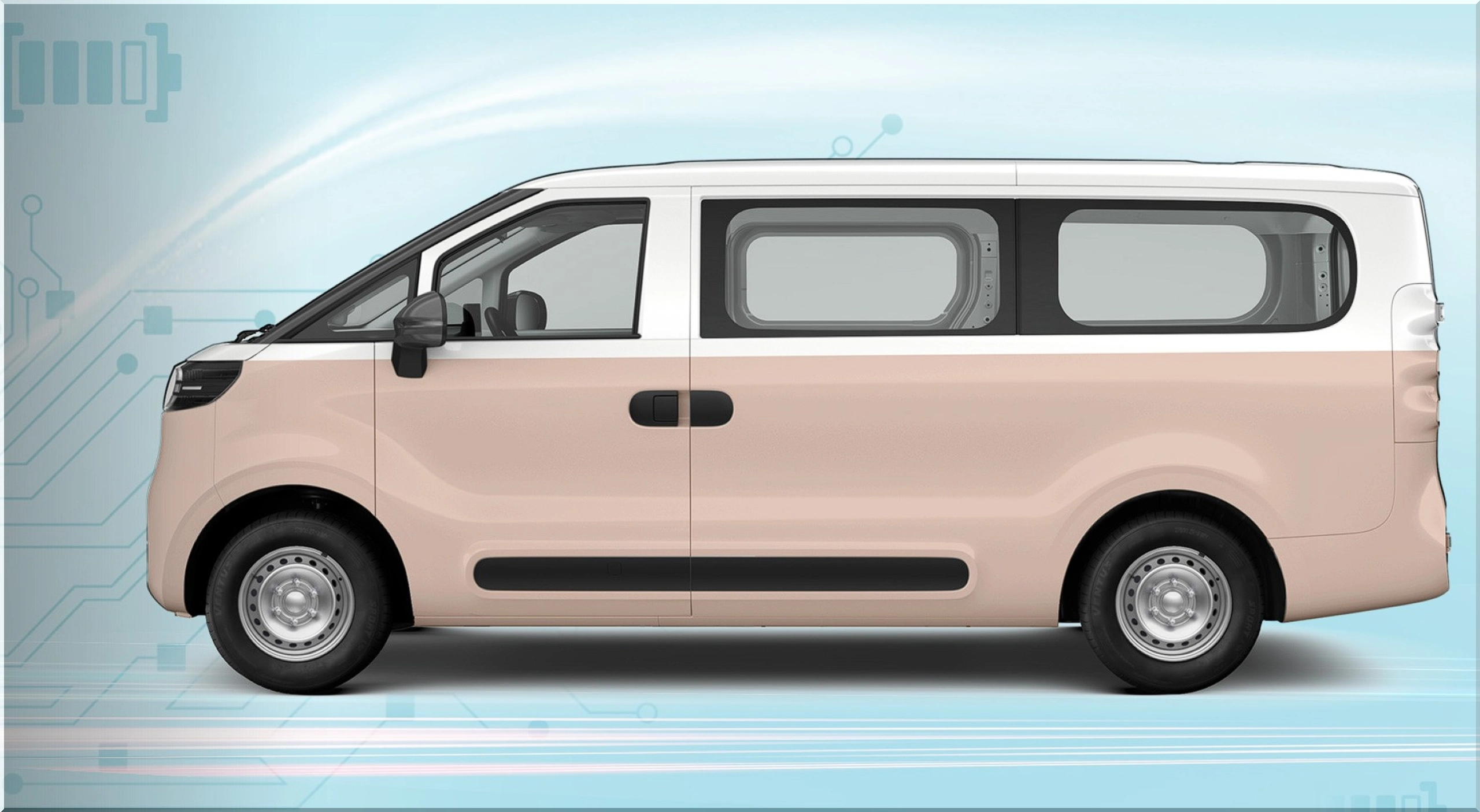
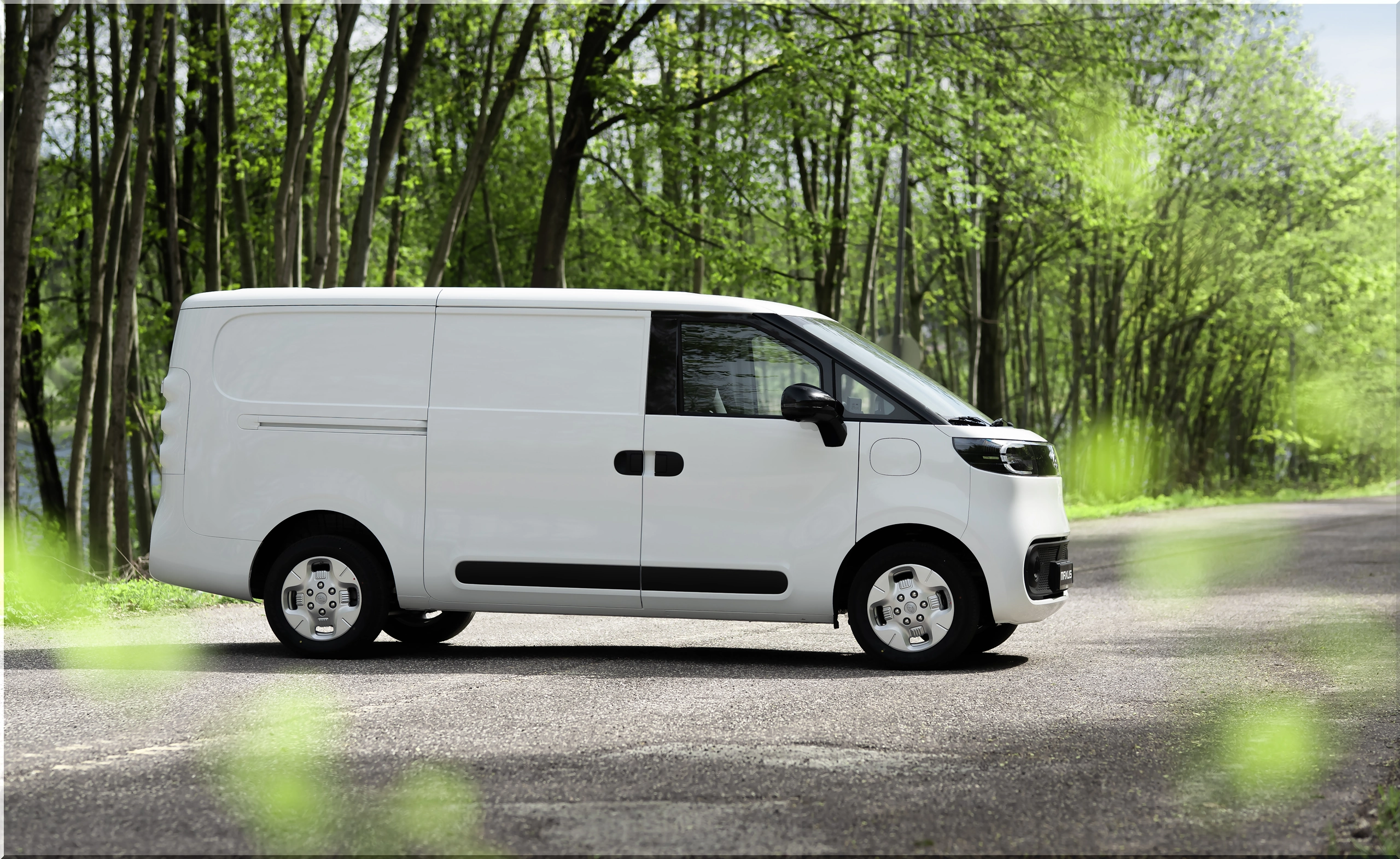
Both versions provide 6.6 cubic meters of cargo space, approximately 233 cubic feet. Their bodies measure 4,980 mm long, 1,870 mm wide, and 1,960 mm tall, or 196.1 by 73.6 by 77.2 inches. A 3,100-mm wheelbase, equivalent to 122 inches, supports the same cargo layout across both batteries.
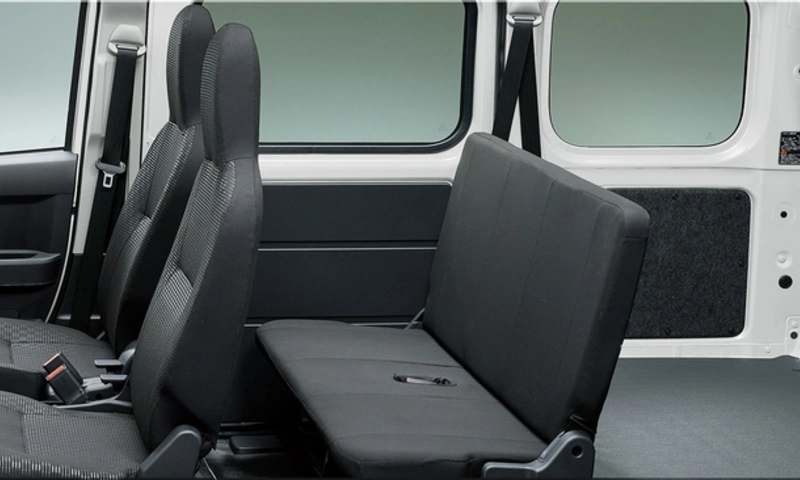
Inside, the load floor stretches 2,654 mm, or 104.5 inches, with 1,250 mm, or 49.2 inches, between the wheel housings. Both versions drive the front wheels through a 120-kW motor producing approximately 161 hp and 240 Nm, or 177 lb-ft.
Both use lithium iron phosphate (LFP) batteries with liquid cooling and heating. The quoted battery warranty covers eight years or 200,000 km, with a 70% minimum capacity guarantee.
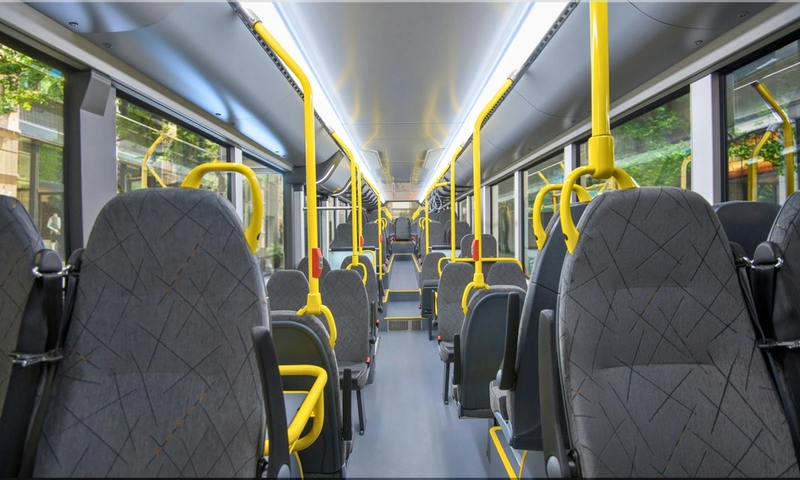
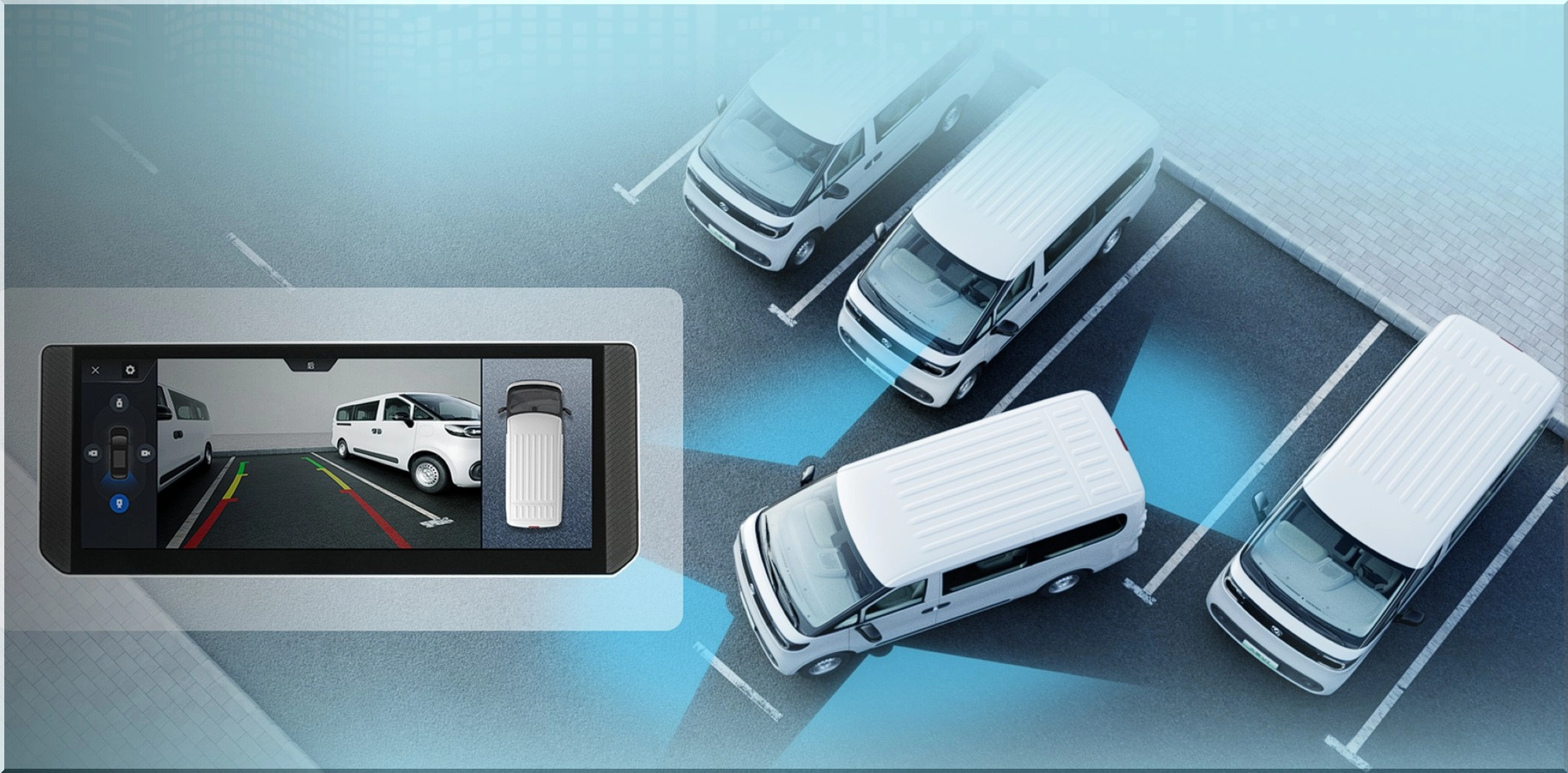
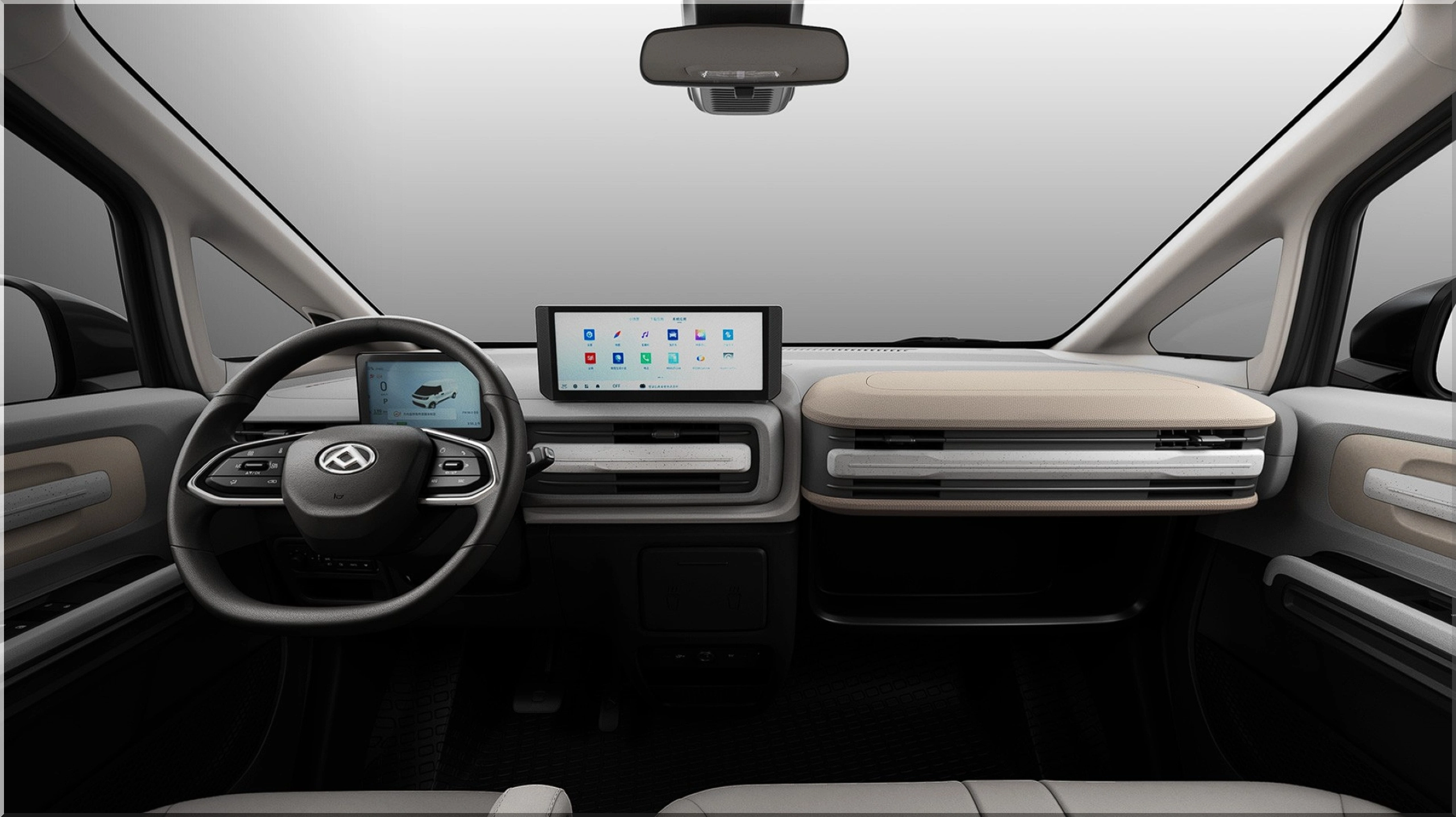
In addition, the cabin includes a 12.3-inch touchscreen with wireless Apple CarPlay and Android Auto. Buyers pay extra for the 360-degree camera and heated seats through the approximately €870 comfort package.
Image gallery:
Which battery makes better business sense?
I would choose the 50-kWh version for repeatable local routes with overnight charging, provided a loaded winter trial confirms enough reserve. The 64-kWh model earns its roughly €2,700 premium when the extra 56 WLTP miles help cover longer service calls without a charging stop.
| Choice | Pros | Cons |
|---|---|---|
| 50-kWh battery | Approximately €2,700 lower price; 100 kg more rated payload | 90 km less combined WLTP range |
| 64-kWh battery | 335-km WLTP range; up to 6.6-kW vehicle-to-load power | Higher price; quoted 36-minute DC stop |
| Worksite power | The 64-kWh model can power external equipment | Requires an extra-cost adapter; 50-kWh version lacks this function |
Pro-Tips for fleet buyers:
- Compare insurance, depreciation, charger installation, and electricity tariffs when calculating total cost of ownership.
- Test your heaviest route and trailer combination before choosing the battery.
- Check the depot's electrical supply: the quoted 11-kW AC rate requires three-phase power.
- Add new comment
- 51 views