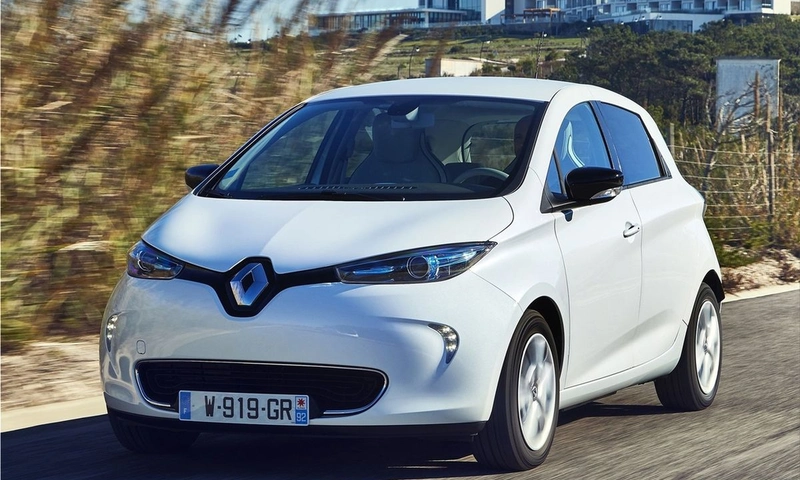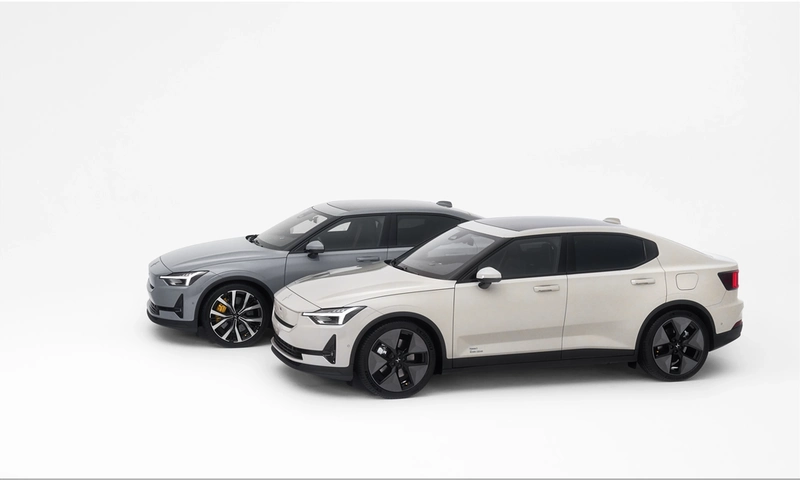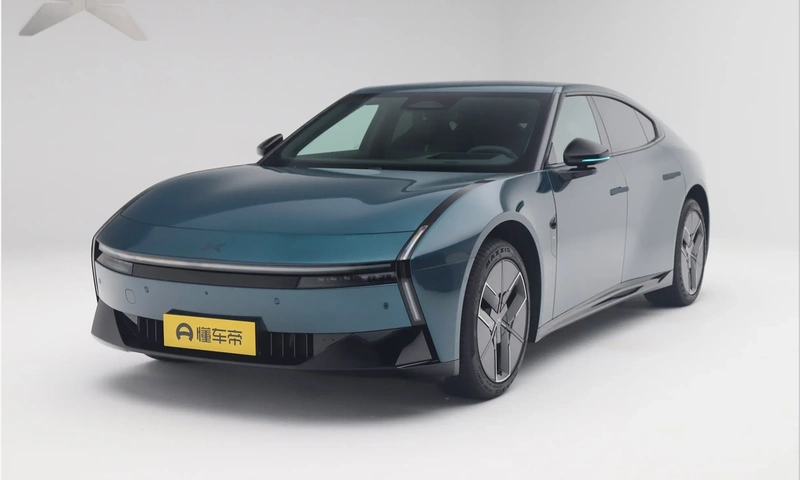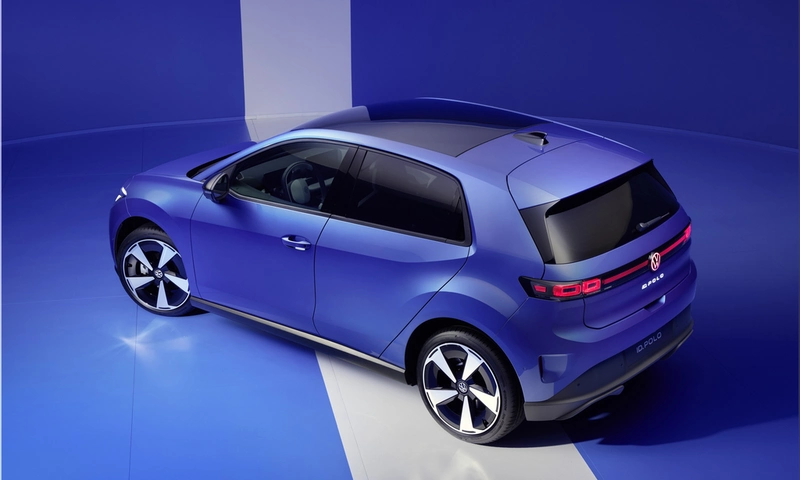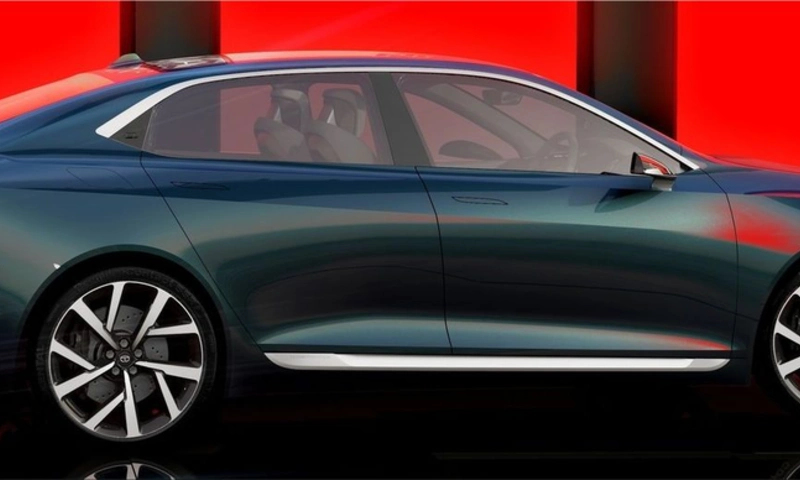
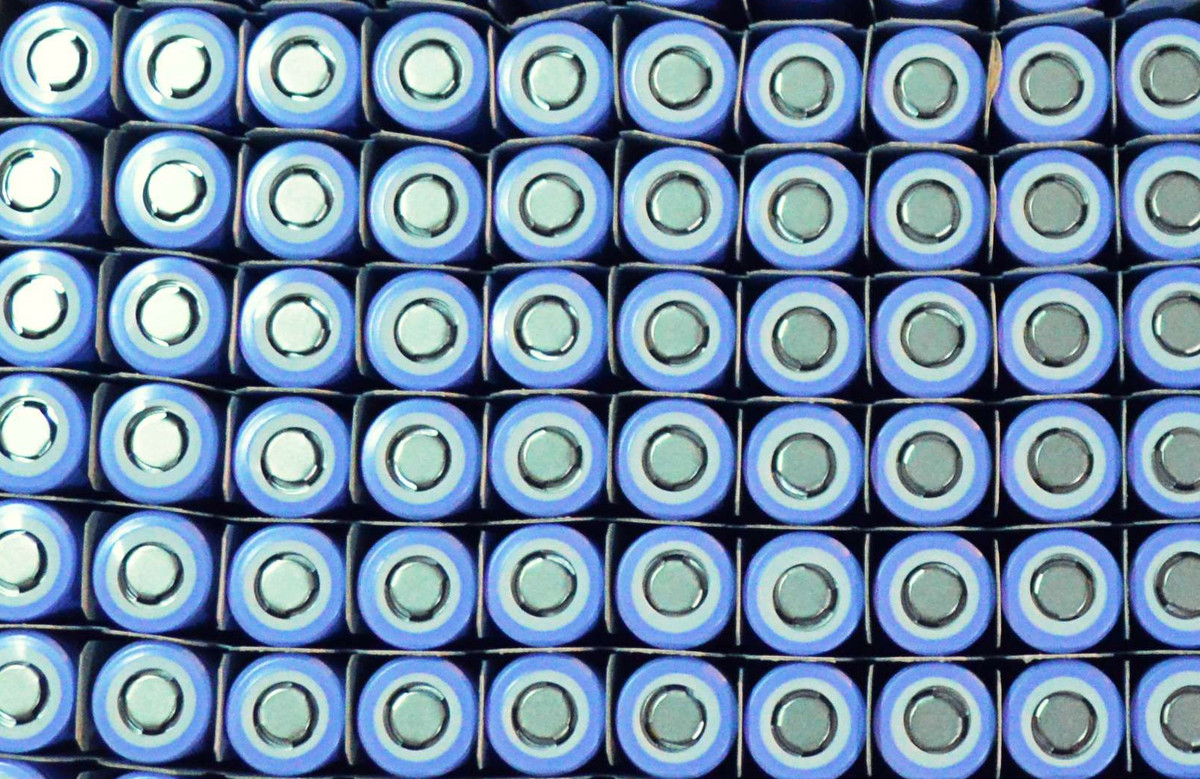
Samsung researchers have presented the prototype of a solid-state battery cell, which should help electric cars reach a range of 800 kilometres and withstand over 1,000 charging cycles.
There is also a solution to the problem of dendrite formation in the lithium metal anodes, the Samsung researchers rely on a silver-carbon composite layer for the anode. This not only counteracts the dendrite problem but also ensures greater capacity and a longer lifespan. Samsung is convinced that this is a groundbreaking development.
With a thickness of five micrometres, the new anode technology is flatter than the conventional lithium solution. According to Samsung, a solid-state battery designed in this way should have an energy density of a lush 900 watt-hours per litre and yet be about 50% smaller than a lithium-ion battery.

The prototype presented on March 9 in London is designed to equip an electric car with a range of up to 800 kilometres per charge. The battery should survive up to 1,000 charging cycles, which would correspond to a total service life of up to 800,000 kilometres.
The prototype still needs some detailed work and is not ready for the market. The researchers now want to coordinate all the materials used in detail again. After that, production processes are to be developed that are suitable for mass use.
Image gallery:
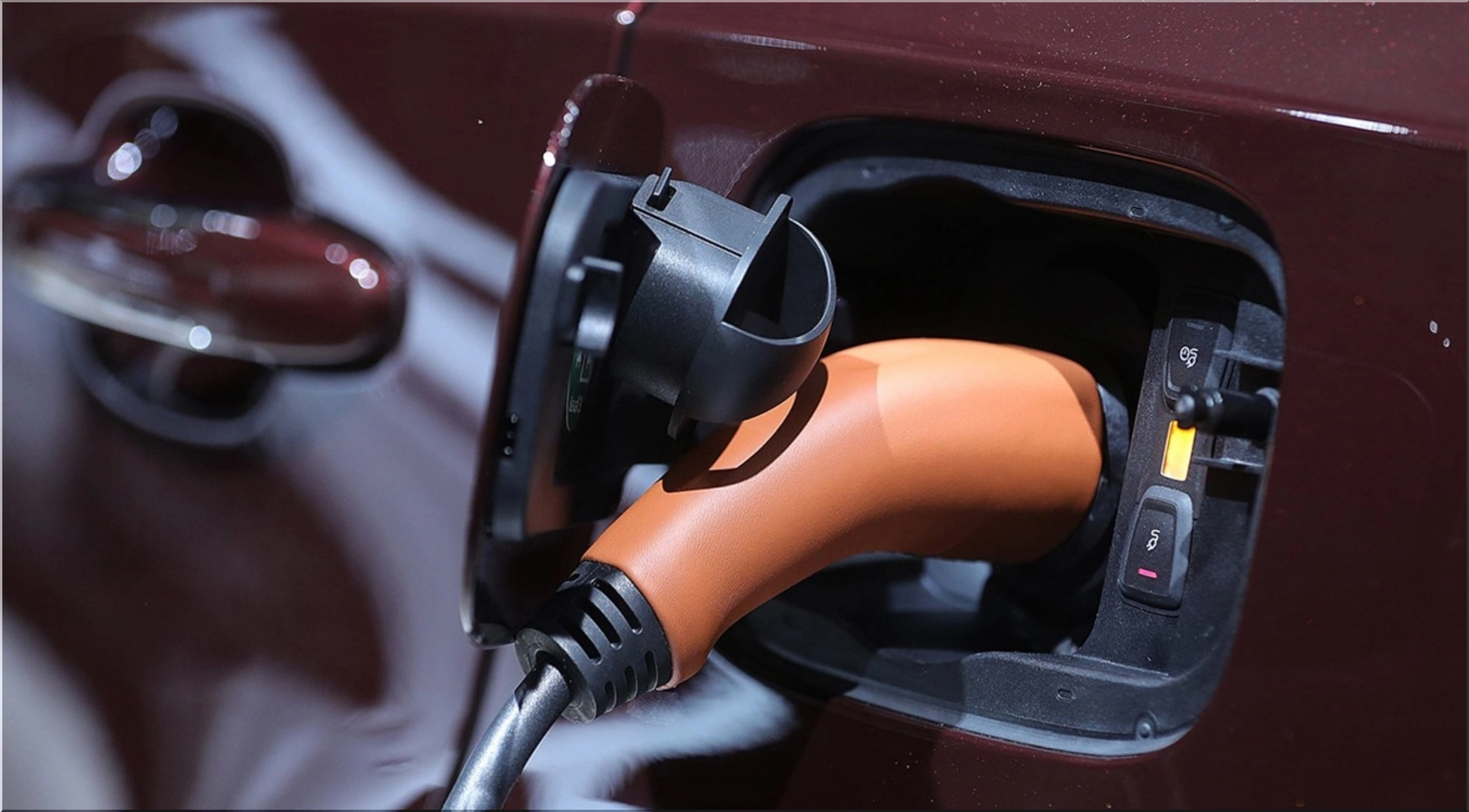
Project manager Dongmin Im from the Samsung Advanced Institute of Technology (SAIT) explained, “The product of this study could be a seed technology for safer, high-performance batteries of the future. Going forward, we will continue to develop and refine all-solid-state battery materials and manufacturing technologies to help take EV battery innovation to the next level.”
- Add new comment
- 274 views