Charging an electric vehicle (EV) is as much about smart habits as it is about advanced technology. According to Kevin Giek, Vice President of the Taycan model line at Porsche, understanding how and when to charge can significantly improve battery life and reduce time spent at charging stations. His advice provides a blueprint for every battery electric vehicle (BEV) driver who wants to charge faster and travel farther.
The 10 Percent Rule: Start Charging Low, Charge Fast
Giek’s first piece of advice is straightforward: start charging when the battery is around 10 percent. This threshold delivers the fastest and most efficient charging speed.
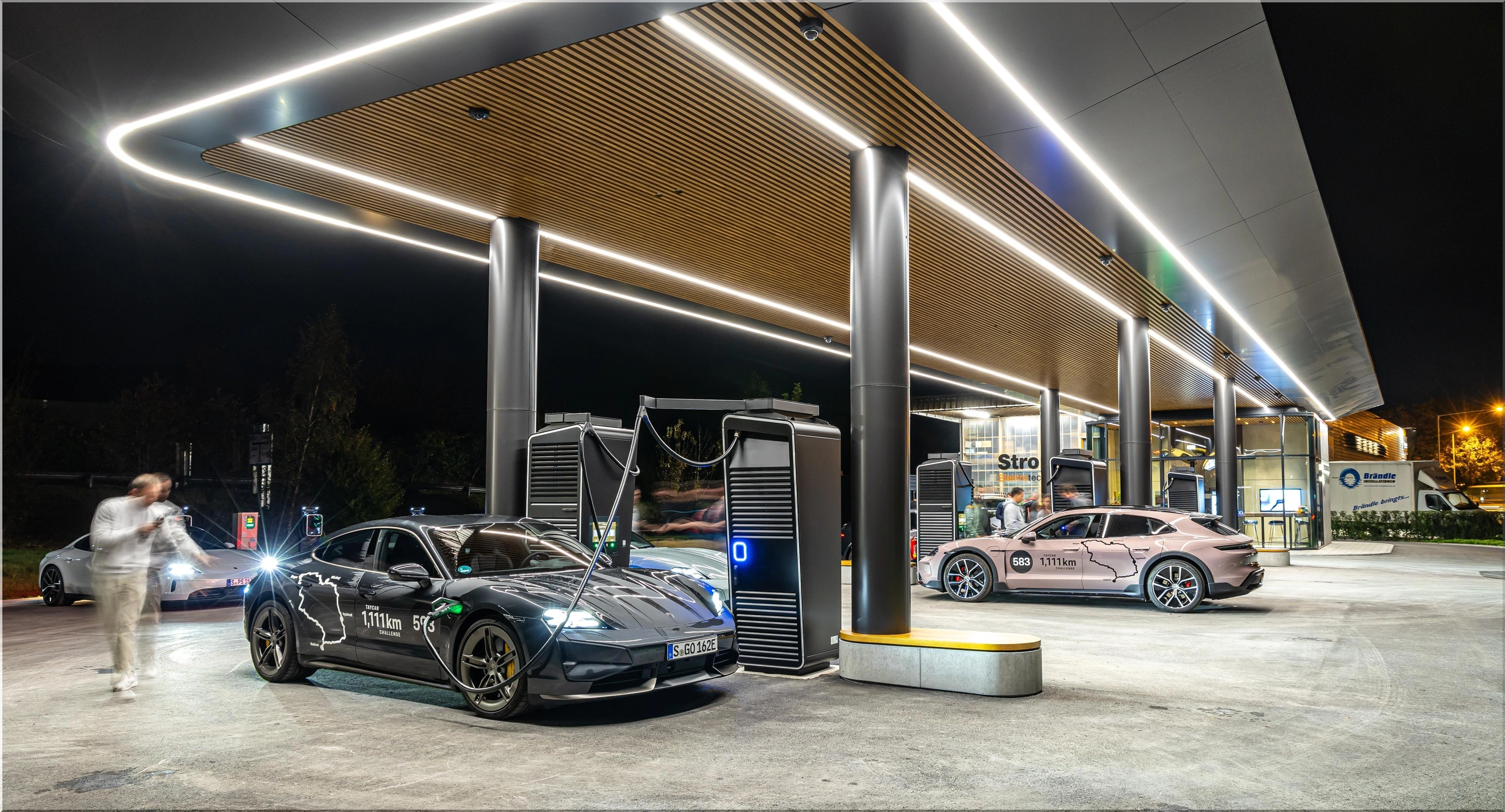
At 800-volt DC fast-charging stations, the updated Porsche Taycan can accept up to 320 kW—a 50 kW increase over the previous generation. Under typical conditions, charging from 10 to 80 percent now takes only 18 minutes, down from 37 minutes on the first-generation Taycan.
The latest Performance Battery Plus also sustains over 300 kW of power for up to five minutes, even at low temperatures. For long-distance drivers, that efficiency translates into half the time spent charging compared to earlier Taycan models.
Key takeaway: Begin charging when the state of charge (SoC) is near 10 percent. This ensures high current flow, minimal waiting time, and lower thermal strain on the battery.
The 80 Percent Rule: Know When to Stop
While it’s tempting to fill the battery to 100 percent, Giek recommends restraint on the road. He charges to 100 percent only at home, using a slower AC wallbox to protect the battery. During travel, he stops charging once the battery hits 60–70 percent—a point where charging speeds start to slow significantly.
“Beyond 80 percent, charging speed drops sharply,” Giek explains. “It’s not worth waiting for that last 20 percent.”
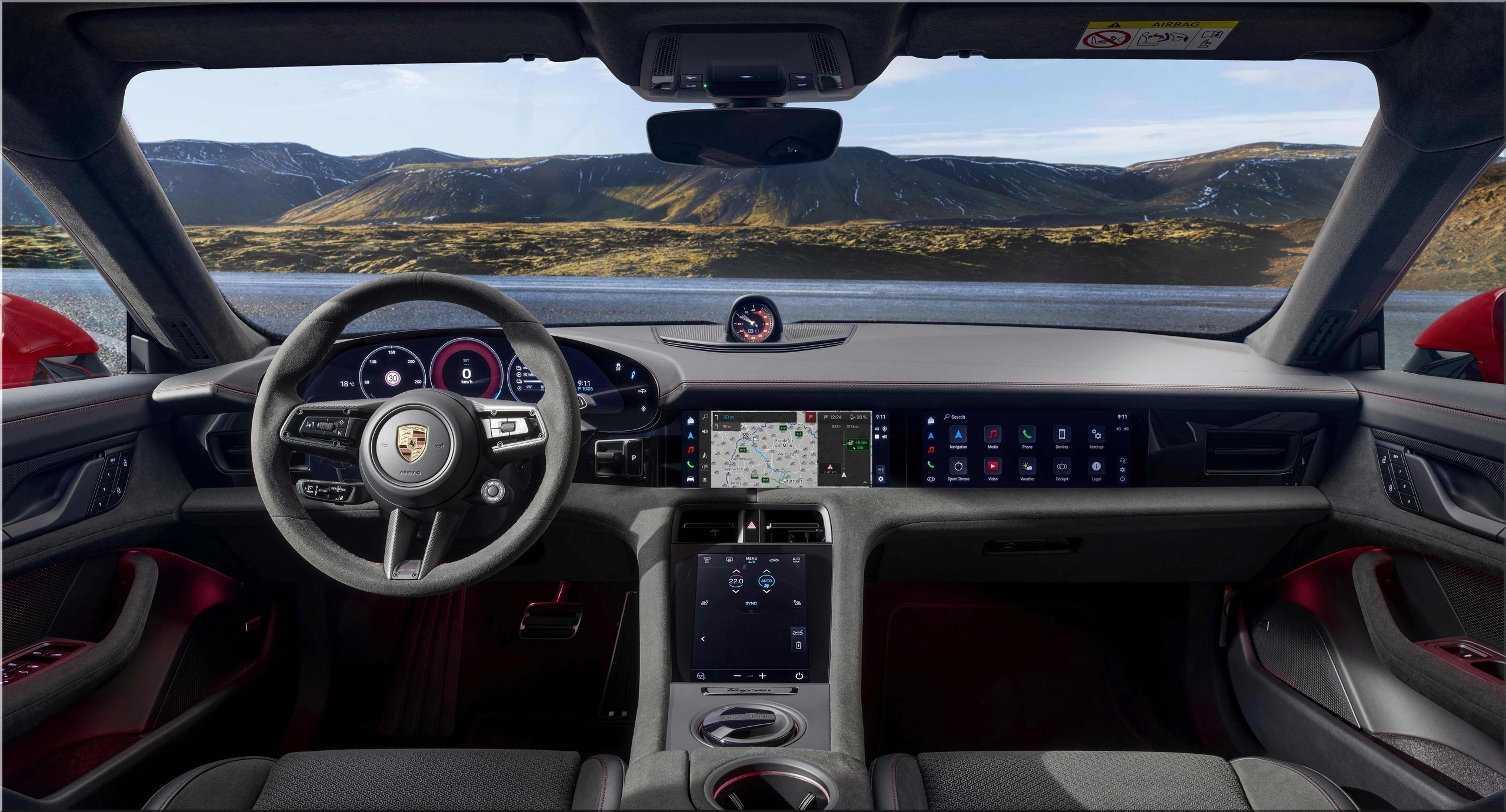
The Taycan’s charging plateau stays above 300 kW up to about 70 percent, and remains over 200 kW until roughly 75 percent. After that, the charge rate falls off rapidly. Porsche’s charging planner automatically suggests when and how long to stop, optimizing total travel time by balancing speed and battery performance.
In practical terms, charging twice briefly often beats charging once for a long time. It also keeps the battery within an optimal performance range for power delivery and longevity.
Charging recommendations:
- For daily commutes, charge overnight at home to 80–100 percent via AC.
- For road trips, target 60–70 percent per stop at high-power DC stations.
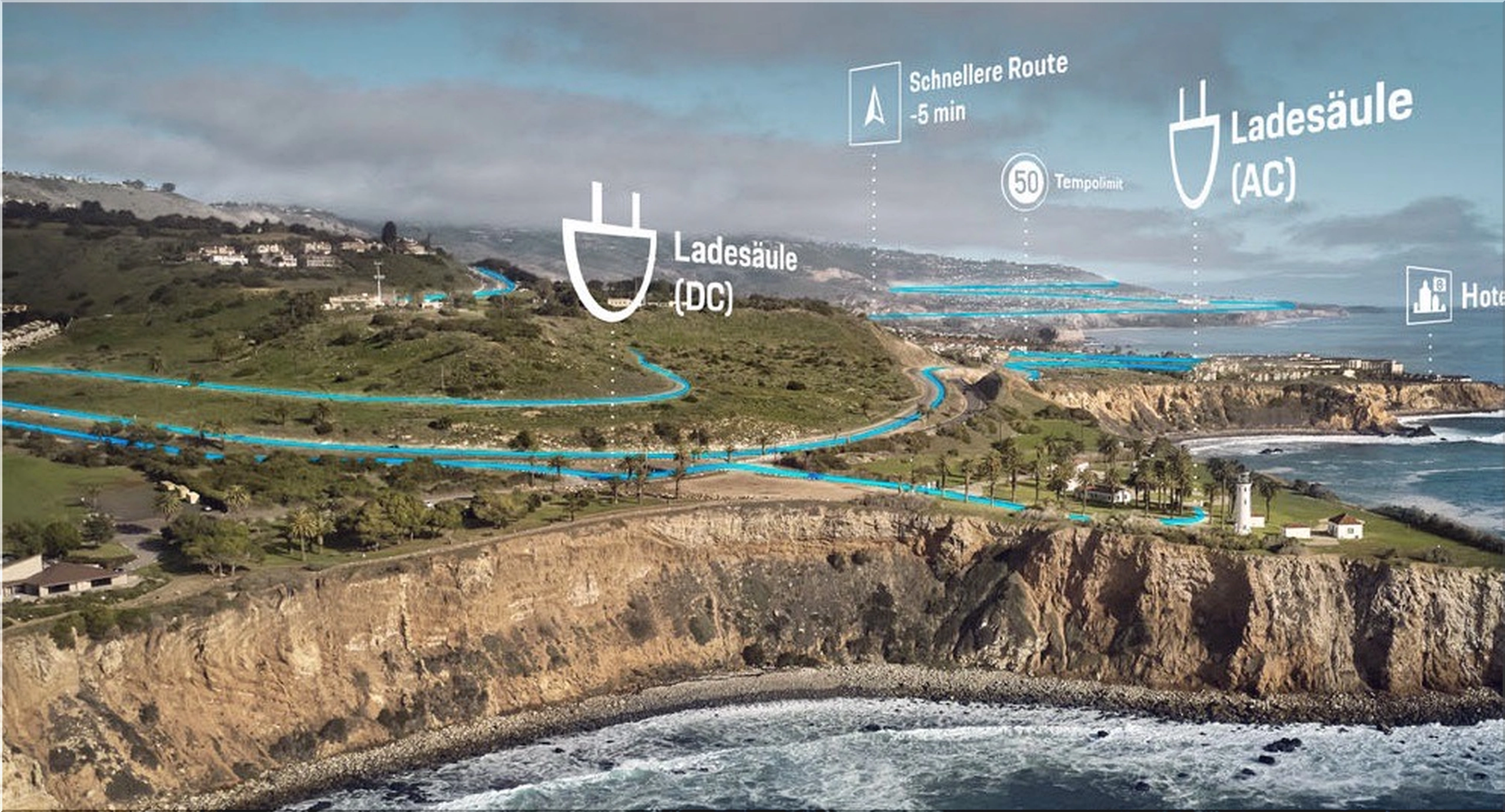
- Use Porsche’s Charging Planner to time stops efficiently and precondition the battery.
Station Selection: Don’t Split Your Power
Choosing the right charging station can dramatically affect how fast your EV charges. Many high-power DC chargers, especially 300 kW stations, share power between two outlets. Plugging in next to another car can halve available power, dropping output to 150 kW or less.
That’s a critical oversight for owners of high-performance EVs like the Taycan, which can draw more than 200 kW for sustained periods. Unless it’s an Ionity charger or a Porsche Charging Lounge, avoid plugging into a post that’s already in use.
“When two cars charge at one point, only 75 kW per side is often available,” Giek says. “Many drivers don’t realize this.”
Smart station strategy:
- Always select a free, unpaired charger to access full output.
- Avoid peak hours when stations are congested.
- If charging power is low, move to another stall rather than waiting.
Battery Management: Temperature and Planning Matter
Efficient charging depends on more than just station selection. Battery temperature plays a key role in how quickly a BEV can charge. The Taycan’s thermal management system automatically conditions the pack to the ideal temperature before charging. When using the Porsche route planner, the system preheats or cools the battery so it can immediately accept maximum power upon arrival at a fast charger.
Even for non-Porsche drivers, the principle applies: always arrive with a warm battery. In cold weather, drive for at least 15–20 minutes before charging, or use the vehicle’s preconditioning function through its app or infotainment system.
Ideal charging temperature range:
- Optimal: 20–30°C (68–86°F)
- Cold performance penalty: Charging time can double below 10°C (50°F)
The Business Case for Smart Charging
The difference between optimized and inefficient charging habits can mean hours saved each month and hundreds of dollars in reduced electricity costs. For example, DC fast-charging rates in the U.S. typically range from $0.25 to $0.70 per kWh, depending on the network. Charging from 10 to 80 percent on a 93.4-kWh Taycan battery (using 65.4 kWh) can cost roughly $16–$46, depending on the station.
By minimizing time spent above 80 percent and avoiding shared chargers, drivers maximize energy throughput and minimize idle fees—a growing issue at premium charging networks.

Final Insights
Charging an electric vehicle is no longer guesswork. Data-driven strategies like the 10 percent and 80 percent rules, charger pairing awareness, and thermal preconditioning cut travel time, preserve battery health, and reduce cost.
For Porsche and other performance EV makers, charging efficiency is as integral to the driving experience as horsepower or handling. As Giek puts it, “Fast travel is a priority in electromobility. With the right knowledge, every driver can charge smarter and drive longer.”
Xiaomi, one of the world’s largest smartphone and gadget makers, has entered the electric vehicle (EV) market with its first car, the Xiaomi SU7. The sleek sedan, unveiled on Tuesday in Beijing, aims to compete with the likes of… Continue reading
The internal combustion engine may be sputtering towards its twilight, but fear not, driving enthusiasts. The spirit of the hot hatch is alive and well, and it's getting a jolt of electric adrenaline with the arrival of the Alpine… Continue reading
The production version of the BMW iX3 electric SUV is unintentionally revealed through the first two official photos. It was on the Instagram account of a "scott26_unofficial" that the two photos appeared. The true name of the… Continue reading
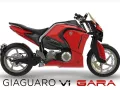
The Italian manufacturer Soriano Motori presents the Giaguaro, its first electric motorcycle in the V1R , V1S and V1 Gara versions: a two-wheeler characterized by original shapes, high-level technical equipment and a particular double… Continue reading